What to Know Before Starting an Earthmoving Project
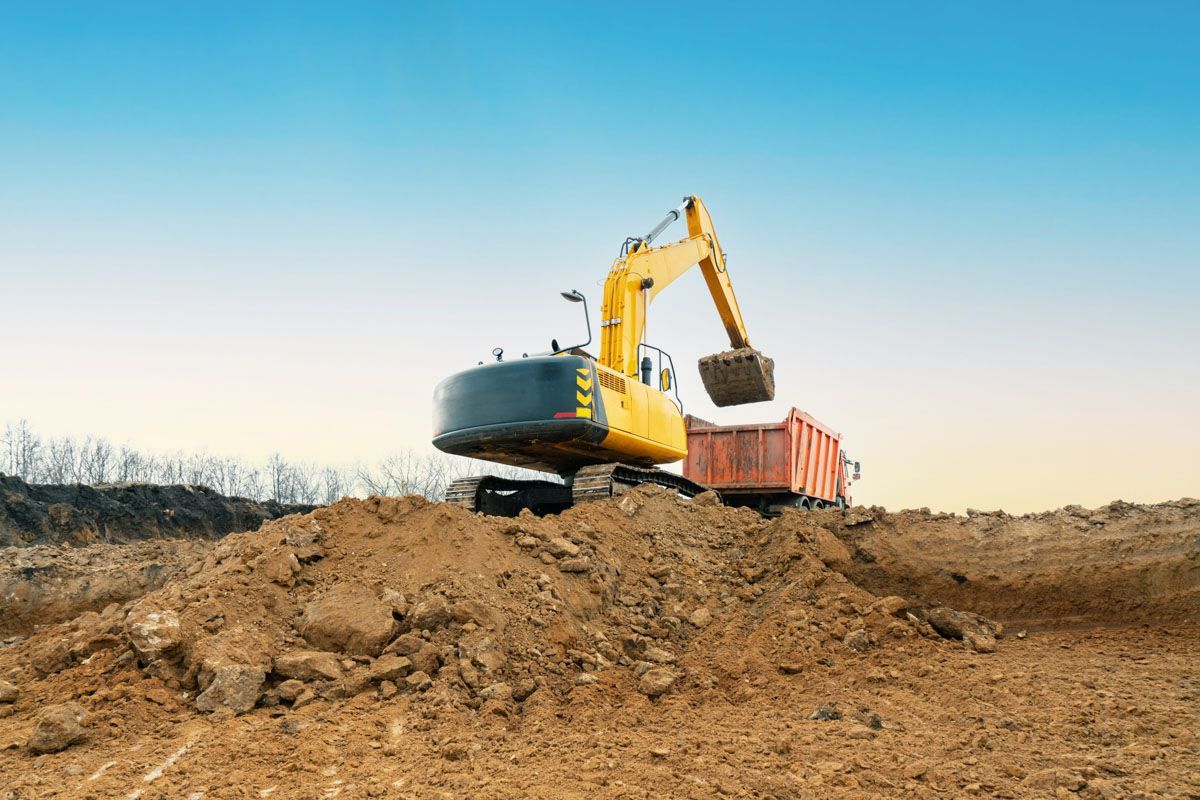
Starting an earthmoving project can feel straightforward at first: a site needs to be cleared, shaped, excavated or prepared before the next stage of work can begin. In practice, the best results usually come from understanding the site properly before machinery arrives. Access, ground conditions, material movement, project timing and the intended construction outcome can all affect how the work should be planned.
For homeowners, builders, developers and commercial clients across NSW, earthmoving may form part of a larger civil construction project. It can support excavation, land management, house pads, shed pads, foundations, haulage or general site preparation. Knowing what to consider early helps create a clearer enquiry and a more practical project conversation.
This guide explains the main things to think about before starting an earthmoving project, so you can prepare better information and understand how the work connects with the next stage of your site.
1. Be clear on the purpose of the earthmoving work
The first step is understanding why the earthmoving is needed. A residential build, rural property improvement, commercial site preparation task or development project may all require different levels of planning. Some projects need general site preparation, while others involve excavation, pad preparation, material movement or foundation-related civil works.
A clear scope helps identify which services are most relevant. For example, a homeowner preparing for a shed pad may need different support than a developer working across a larger block. A builder coordinating early works may also need excavation and haulage considered together so the site is ready for the next construction stage.
Before making an enquiry, note what the project is for, what outcome you need and whether the earthmoving is part of broader civil construction works. You can also learn more about earthmoving and excavation services to understand how this type of work can support site preparation.
2. Check access, space and site conditions
Access is one of the most important details to consider before earthmoving begins. Machinery needs safe and practical entry to the work area, and the available space can affect how the job is approached. Narrow driveways, steep slopes, nearby structures, soft ground, drainage concerns or overhead restrictions may all influence the planning process.
Site conditions also matter. Uneven ground, existing fill, buried debris, vegetation, rocks or drainage issues can change the way a job is assessed. These factors may affect machinery choice, staging, haulage needs and whether additional preparation is required before the main works can begin.
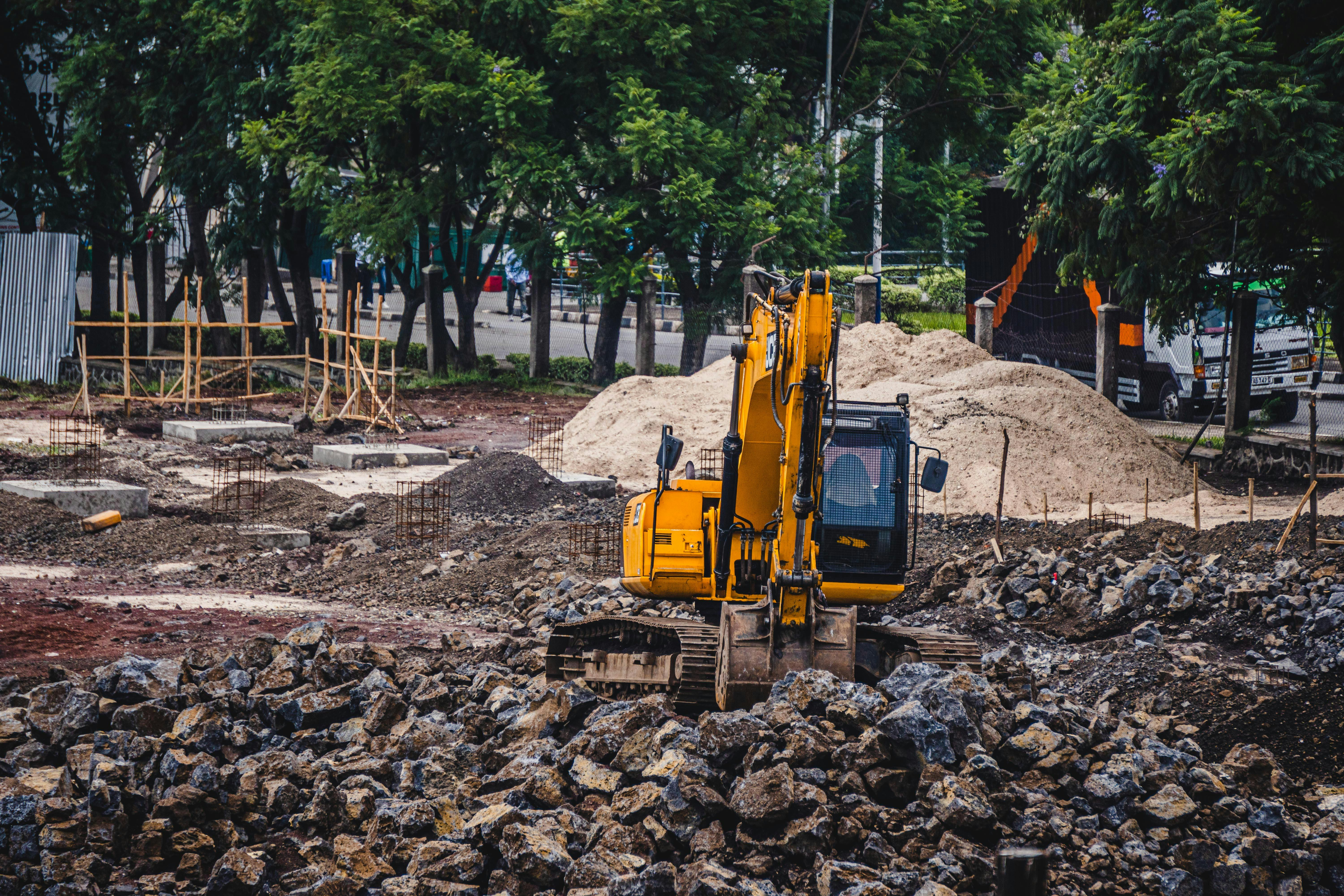
When contacting a civil contractor, provide as much practical detail as possible. Include the suburb, property type, access points, approximate work area and any known site issues. Photos can also help explain the site if they are available.
3. Think about excavation, levels and material movement
Earthmoving is rarely just about moving dirt from one spot to another. Depending on the project, it may involve shaping the site, preparing levels, excavating areas for future works or moving material to support a better construction outcome. Understanding whether material needs to stay on site, be moved across the property or be removed can help with early planning.
Haulage is often connected to earthmoving and excavation. Soil, fill, aggregates or other materials may need to be transported as part of the project. If this is not considered early, it can create delays or extra coordination later in the job.
SWW Civil provides haulage support where it fits the broader project scope. If your site is likely to need material movement, it is worth reviewing haulage services for civil construction projects before discussing the job.
4. Consider how earthmoving connects to the next stage
Earthmoving usually supports another project stage. That might be construction of a home, preparation for a shed, improvement of a commercial site, foundation works or land management. The more clearly the next stage is understood, the easier it is to prepare the ground in a way that supports the overall project.
If the site needs house pads, shed pads, foundations, screw piers or piling, the earthmoving and excavation requirements may need to align with the broader construction plan. If the project is mainly about improving access or usability, the focus may be on grading, shaping or preparing the land for practical use.
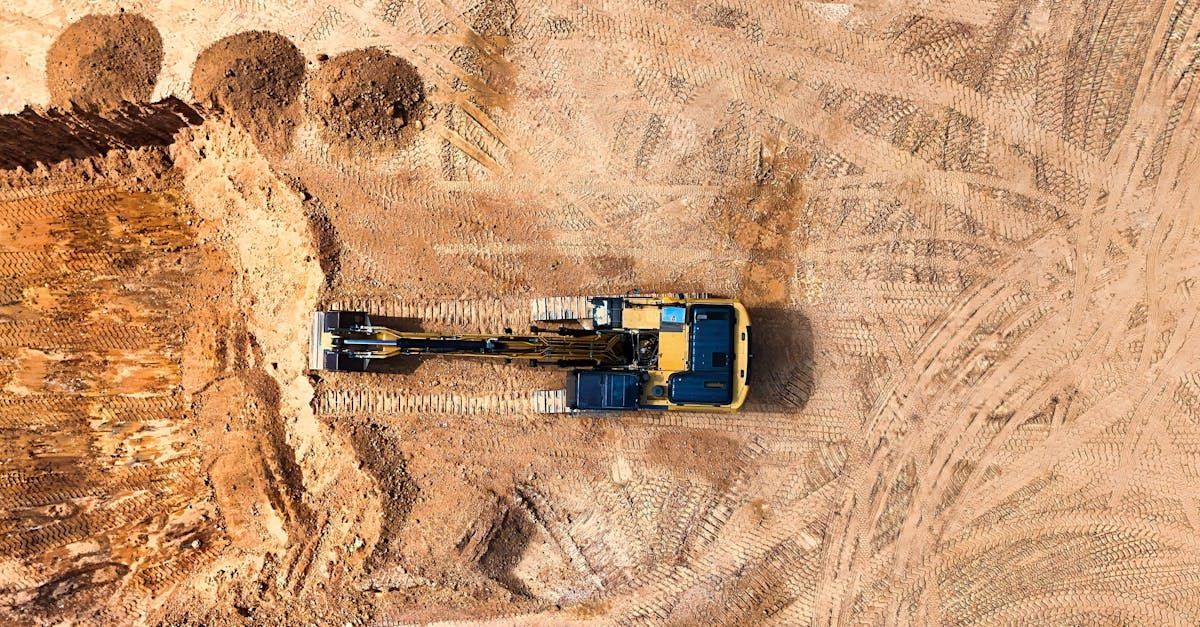
For projects involving broader site preparation, land management services may also be relevant. These services can support clearing, shaping, access preparation and practical improvements before construction or development works move ahead.
5. Prepare the right information before requesting a quote
A strong enquiry gives the contractor enough information to understand the project and ask the right follow-up questions. You do not need to know every technical detail, but a clear overview helps the conversation move faster and reduces the chance of missed requirements.
Useful details include the project location, the type of property, the intended work, access considerations, known site conditions and whether other services such as haulage, excavation, pad preparation or foundation-related works may be needed. If the work is part of a larger build or commercial project, mention the next stage and any timing considerations.
It also helps to think about the service area. SWW Civil targets key Hunter and NSW locations including Maitland, Newcastle, Cessnock, Singleton, Raymond Terrace and Kurri Kurri, with suitable nearby projects assessed based on location and scope.
Conclusion
Before starting an earthmoving project, take time to clarify the purpose of the work, the site access, the ground conditions, material movement requirements and how the job connects to the next construction stage. These details help create a more useful project conversation and make it easier to identify the right civil construction support.
If you are planning earthmoving, excavation, haulage or site preparation work, contact SWW Civil to discuss your project. You can also explore SWW Civil’s earthmoving services to see how this work supports residential, commercial and development projects across NSW.