How Proper Site Preparation Supports a Smoother Build
A smoother build often starts before the first slab is poured or the first structure goes up. Site preparation sets the foundation for the work that follows, helping builders, homeowners and developers understand the ground, access, levels and practical constraints of a project before construction begins.
For projects across NSW, site preparation can involve earthmoving, excavation, clearing, grading, land management, haulage and preparation for house pads, shed pads or foundations. The exact scope depends on the property, the intended build and the conditions on site.
This article explains why proper site preparation matters, what it can involve and how early planning can support a more practical construction process from the start.
1. Site preparation helps identify practical issues early
Every site has its own conditions. Some blocks are relatively level and easy to access, while others have slopes, soft ground, vegetation, existing fill, drainage concerns or limited machinery access. Proper site preparation helps bring these details into the project conversation before they become bigger problems later.
Early site works can reveal what needs to be cleared, shaped, moved or managed before construction can continue. This is especially useful for residential builds, commercial projects and development sites where the next stage depends on the site being safe, accessible and workable.
When planning a project, it is worth thinking about what the site needs before construction begins. That might include clearing an area, shaping the ground, managing material, preparing access or creating a suitable base for future works.
SWW Civil’s land management services are designed to support practical site preparation where earthmoving, clearing, grading or access improvements are required.
2. Good access makes construction easier to manage
Access is one of the most important parts of site preparation. Machinery, trucks, materials and trades need to move through the property safely and efficiently. If access is not considered early, it can affect timing, coordination and the way later works are completed.
On some properties, access may be straightforward. On others, narrow entries, uneven ground, overhead restrictions, nearby structures, wet areas or soft soil can make planning more important. Understanding these factors early helps determine what machinery may be suitable and how the work area should be approached.
For builders and developers, access planning can also help with staging. Material deliveries, excavation, haulage and foundation-related works are easier to coordinate when the site layout is understood before construction ramps up.
3. Earthmoving and excavation support the next stage of work
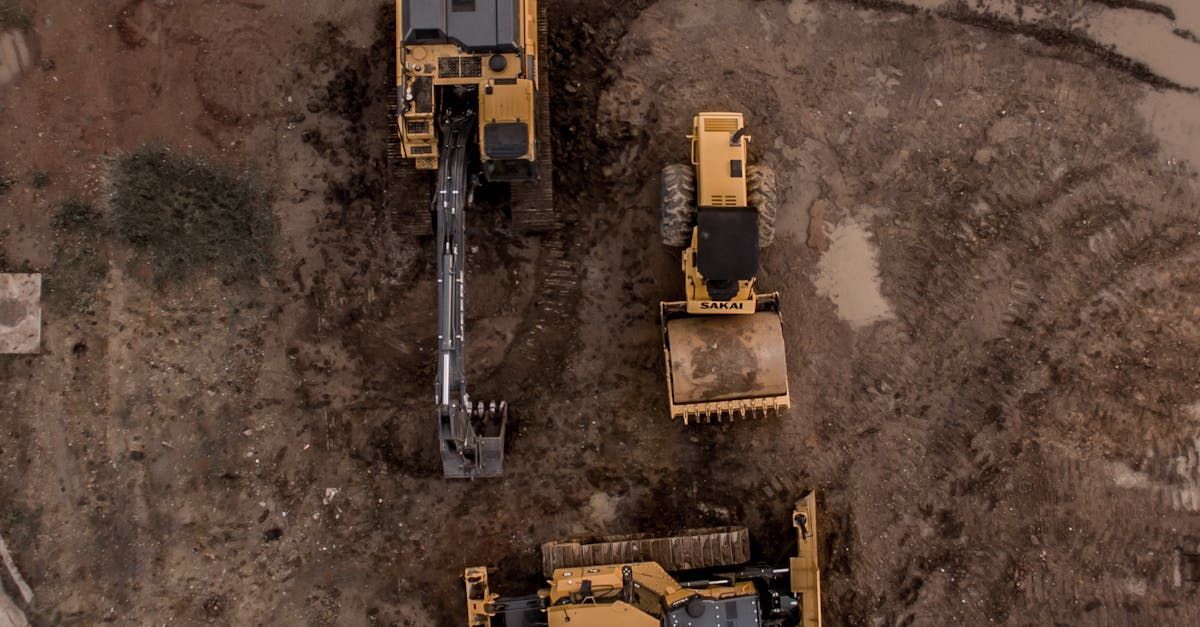
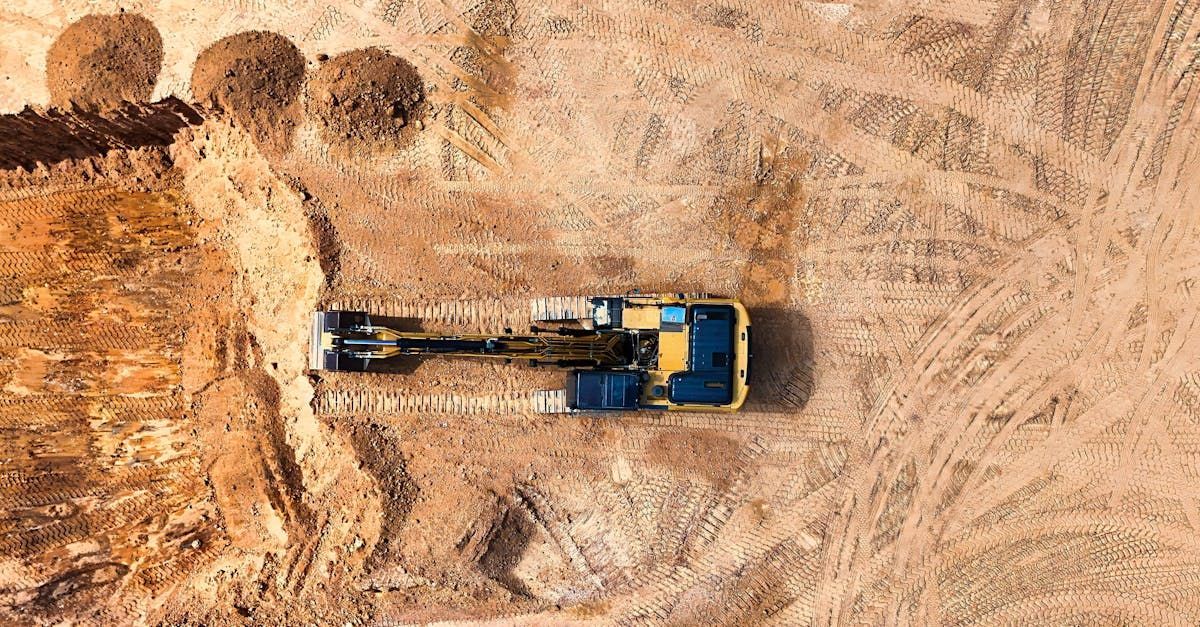
Earthmoving and excavation are often central to site preparation. They can help shape the ground, remove or move material, prepare levels and create a workable area for the next stage of construction. The goal is not just to move soil, but to prepare the site in a way that supports the intended project outcome.
For a residential build, this may involve preparing the area for a house pad or foundation work. For a shed or rural property project, it may involve creating a usable pad, improving access or shaping the surrounding area. For commercial or development works, it may involve a broader scope of excavation, grading, haulage and material coordination.
Clear earthworks planning helps connect site preparation with the services that may follow. If your project involves early groundworks, earthmoving and excavation services may be one of the first areas to consider.
4. Material movement and haulage should not be an afterthought
Site preparation often creates material movement. Soil may need to be moved around the property, removed from site or brought in to support levels and preparation works. If material handling is not considered early, it can lead to extra coordination later.
Haulage can be especially relevant when earthmoving, excavation or land management work is part of the scope. Understanding where material will come from, where it needs to go and whether it can remain on the property helps shape the project plan.

Where suitable, haulage support can work alongside excavation and site preparation to help keep materials moving in line with the project requirements.
5. Better preparation can support pads, foundations and future works
Many construction projects rely on the ground being prepared correctly before more specialised works begin. House pads, shed pads, foundations, screw piers and piling all depend on the conditions and requirements of the site. While the exact approach should be guided by the project scope and any relevant construction or engineering requirements, early site preparation helps create a clearer path forward.
For homeowners, this might mean preparing a section of land for a new shed, extension or dwelling. For builders and developers, it may involve coordinating earthworks so the site is ready for the next trade or construction stage. For commercial clients, it may mean making the site more workable before broader civil or structural works take place.
Good preparation does not remove the need for proper planning, but it does help reduce uncertainty. It gives the project team a better understanding of the ground, access and practical conditions that may influence later work.
6. Clear information helps contractors assess the project
A useful site preparation enquiry should include more than a short description of the job. The more practical information provided at the start, the easier it is for the contractor to understand whether the work is suitable and what questions need to be asked next.
Helpful details include the suburb, property type, project purpose, access points, known ground conditions, approximate work area and whether material needs to be moved or removed. Photos can also be useful where available, especially if access, levels or site constraints are difficult to explain in writing.
SWW Civil targets key service areas including Maitland, Newcastle, Cessnock, Singleton, Raymond Terrace and Kurri Kurri, with nearby enquiries assessed based on project location and scope.
Conclusion
Proper site preparation helps create a clearer, more practical starting point for a construction project. By considering access, ground conditions, earthmoving, excavation, haulage and the next stage of work early, homeowners, builders and developers can reduce uncertainty and make more informed decisions before construction begins.
If you are planning site preparation, land management, earthmoving or excavation work, contact SWW Civil to discuss your project. You can also explore land management services to see how SWW Civil can support practical site preparation across key NSW service areas.