When to Use Screw Piers or Piling for a Construction Project
Foundation-related work is one of the most important parts of a construction project. Before a structure can be built, the ground needs to be prepared in a way that suits the site, the intended load and the broader construction requirements. For some projects, simple ground preparation may be enough. For others, screw piers or piling may be considered as part of the foundation approach.
Screw piers and piling can be relevant for residential, commercial and development projects where the site conditions or structure requirements call for deeper or more specific support. The right approach depends on the project scope, soil conditions, access and any relevant engineering or construction direction.
This guide explains when screw piers or piling may be useful, how these services connect with earthmoving and excavation, and what information is helpful before making an enquiry.
1. What are screw piers and piling used for?
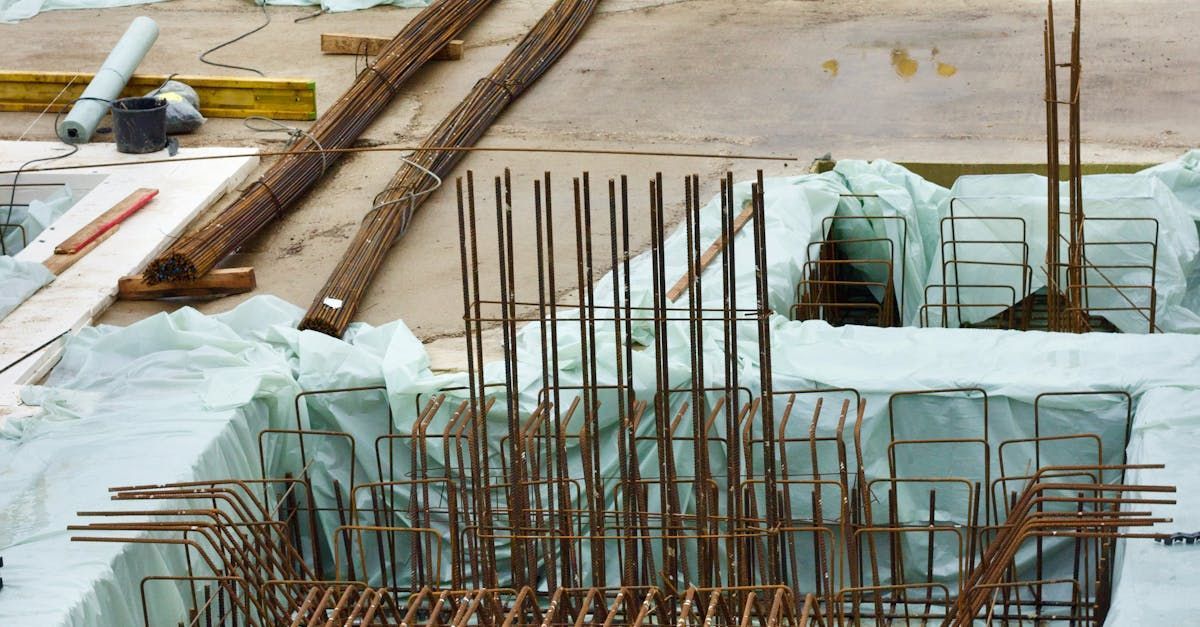
Screw piers and piling are foundation-related methods used to help support structures where standard shallow preparation may not be suitable on its own. They can be considered for projects where ground conditions, structure type or load requirements call for additional support below the surface.
In practical terms, these services may be part of work for house pads, shed pads, residential foundations, commercial foundations or development sites. They are not a one-size-fits-all solution, and the suitability of screw piers or piling depends on the site and the requirements of the project.
Because foundation work can involve specific site and structural considerations, it is important that any screw pier or piling requirement is considered alongside the project plan. SWW Civil can support suitable projects with screw piers and piling services where they align with the site conditions and scope of work.
2. When might screw piers or piling be considered?
Screw piers or piling may be considered when the ground needs extra support, where the site conditions are more complex or where the structure requires a foundation approach beyond simple pad preparation. This can occur on residential blocks, commercial projects, rural properties or development sites depending on the planned structure and ground conditions.
Common reasons to explore this type of foundation support include soft ground, variable soil conditions, sloping sites, areas with fill, or projects where the structure requires more specific support. The final decision should be guided by the project requirements and any relevant construction or engineering advice.
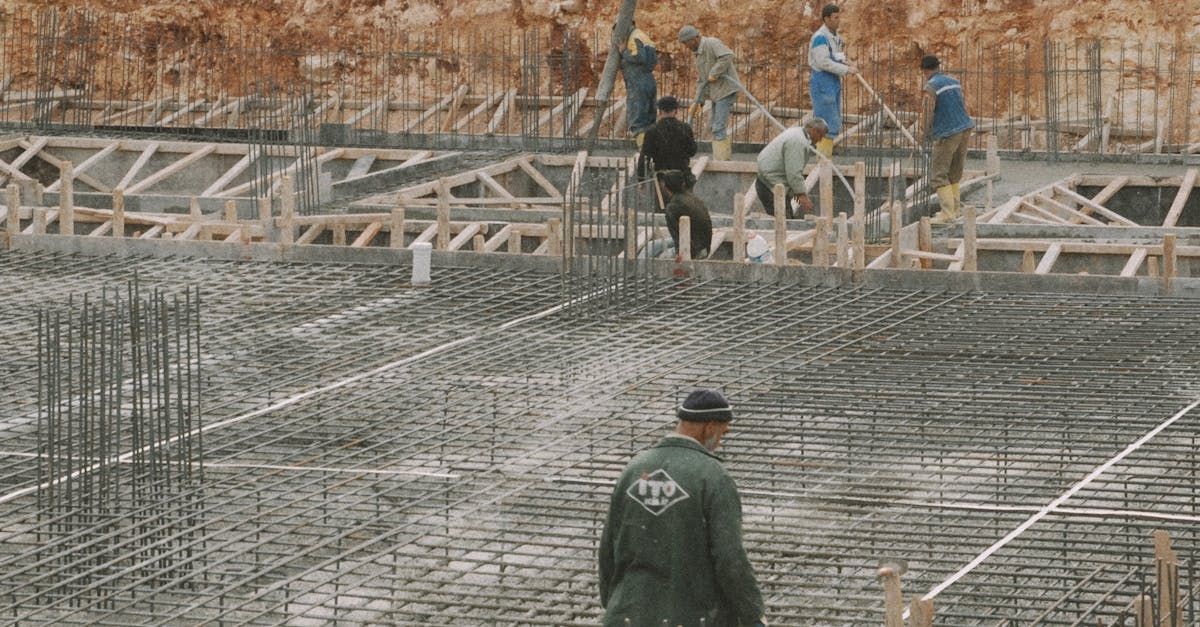
For homeowners and builders, this means thinking beyond the visible surface of the site. A block may look ready for construction, but the ground below can influence what support is needed before building begins.
3. How earthmoving and excavation fit into foundation work
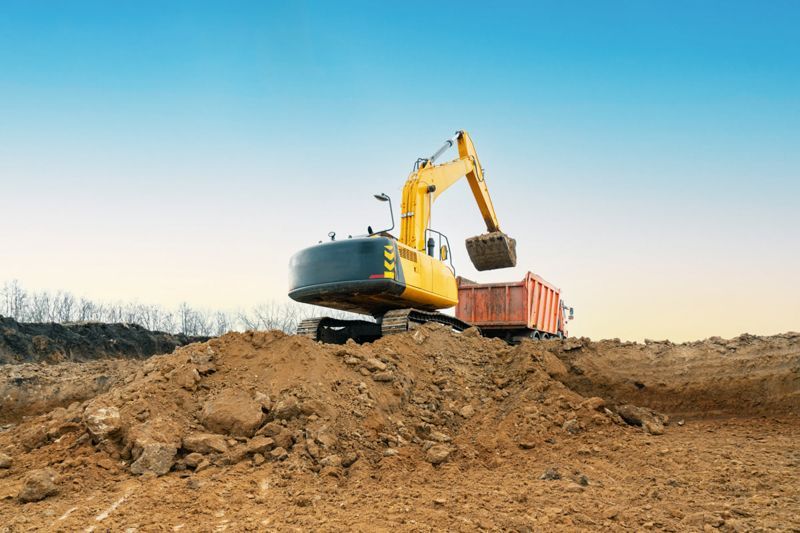
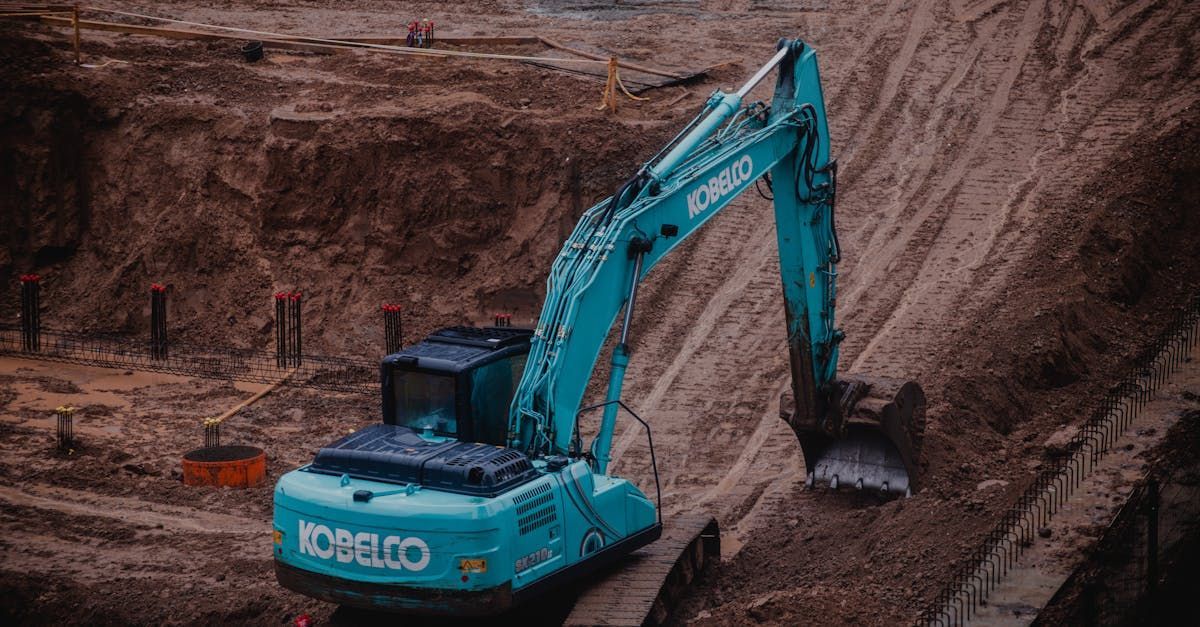
Before screw piers, piling or other foundation-related works can take place, the site often needs to be prepared. Earthmoving and excavation may be needed to shape the work area, clear access, manage levels or prepare the ground around the planned structure.
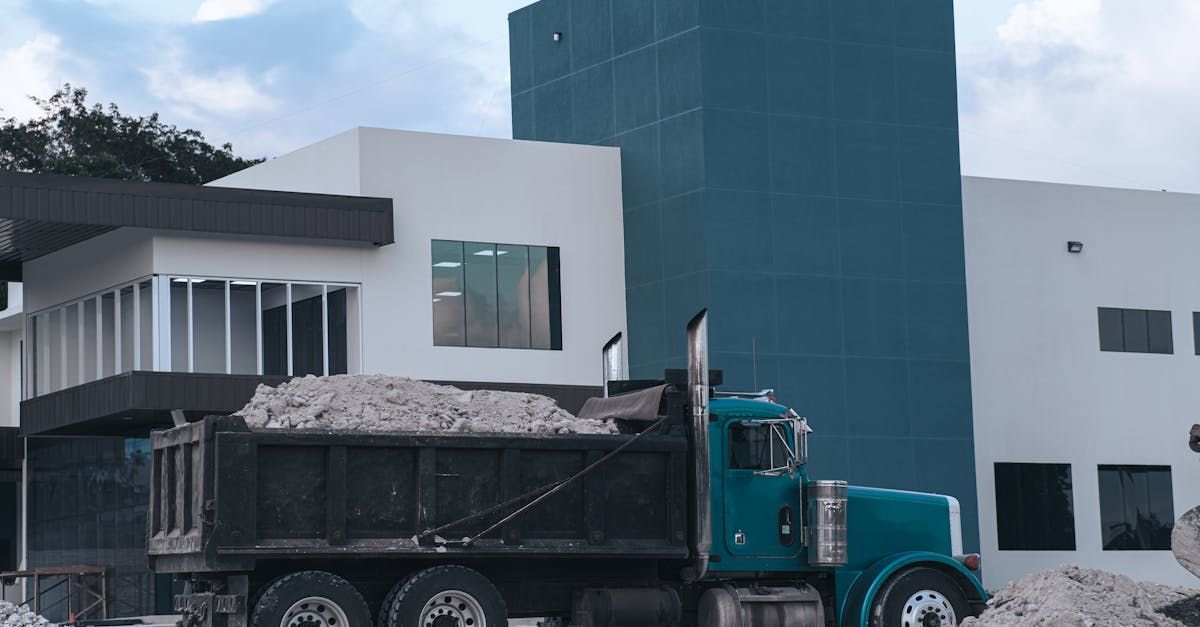
This is why foundation-related services often connect closely with early civil works. A project may involve excavation for access, land management to make the site workable, haulage to move material, and preparation for house pads, shed pads or foundations. Coordinating these services helps the project move from raw site conditions toward a construction-ready area.
If your project needs early groundworks, earthmoving and excavation services may be relevant before or alongside screw pier and piling support.
4. Site conditions matter more than assumptions
Every project site is different. Access, slope, soil type, drainage, existing fill, vegetation, nearby structures and the intended use of the site can all influence how foundation-related works are planned. A solution that suits one property may not suit another, even within the same suburb.
This is especially important across Hunter and NSW service areas where sites can range from residential blocks to rural properties, commercial sites and development areas. Practical site information helps contractors understand what may be involved before the project moves further.
When making an enquiry, it is useful to provide the project location, access details, intended structure, known ground conditions and whether any foundation or engineering information is already available.
5. What information should you prepare before enquiring?
A clear enquiry helps SWW Civil understand whether the project is a suitable fit and what follow-up details may be needed. You do not need to know every technical answer, but a practical overview of the site and project is useful.
Helpful information includes the project suburb, property type, intended structure, access constraints, approximate work area, whether earthmoving or excavation is also needed, and whether the work relates to a house pad, shed pad, commercial foundation or development site. Photos of the site can also help explain access, slope and existing conditions.
If broader site preparation is required, land management services may also support the early stages of the project by improving access, shaping areas or preparing the site for construction-related works.
6. Why planning foundation-related works early helps
Leaving foundation-related questions until late in the project can create unnecessary delays. If screw piers, piling, excavation, haulage or site preparation are needed, it is better to identify those requirements early so they can be considered within the broader project schedule.
Early planning also helps clarify which services are connected. For example, a project may start with land management, then move into excavation and pad preparation before foundation-related support is required. Understanding that sequence can make the enquiry more focused and practical.
SWW Civil targets key service areas including Maitland, Newcastle, Cessnock, Singleton, Raymond Terrace and Kurri Kurri, with suitable nearby projects assessed based on location and scope.
Conclusion
Screw piers and piling may be useful for construction projects where the site, structure or ground conditions call for foundation-related support beyond basic preparation. The best starting point is to understand the site, the intended structure and how the foundation work connects with earthmoving, excavation and broader civil construction requirements.
If you are planning a project that may require screw piers, piling, excavation or foundation preparation, contact SWW Civil to discuss your project. You can also explore screw pier and piling services to learn how this support may fit suitable residential, commercial and development projects.